
So, You Want To Be a Male Ally For Gender Equality? (And You Should): Results from a National Survey, and a Few Things You Should Know
When it comes to supporting gender equality and women’s rights, or even the #MeToo movement, many men believe they’re already doing their part, but there is a long way to go before women are fully equal to men – at work, in hiring, salary, benefits, mentoring, and promotion; at home, in the unequal division of childcare and household labor between partners; and in leadership positions.

Workforce + Childcare: Executive Summary
Child care supports the current workforce, and high quality child care builds a strong future workforce. It’s time for San Diego to take action.

Women in the Workplace 2019
This year marks the fifth year of McKinsey & Company’s research on women in the workplace, conducted in partnership with LeanIn.Org. We look back on data and insights since 2015 from close to 600 companies that participated in the study, more than a quarter of a million people that were surveyed on their workplace experiences, and more than 100 in-depth one-on-one interviews that were conducted. (See our infographic below for top-level findings from the past five years.)

Gender Equity in the News Media: Analysis and Recommendations for Newsroom Leaders
This paper analyzes the state of gender equity in the American news media industry today. Sadly, many of the challenges we will describe are not new. In fact, the disservice done to society by the exclusion of women from the reporting of news was raised as early as the 18th century by women suffragists and women’s rights activists in North America as well as Europe. Women first brought a gendered analysis of the mass media to the global stage in the 1970s, when a multipart critique was presented at the 1975World Conference on Women in Mexico City, which opened the UN Decade for Women. Conference speakers stressed the importance of the global mass communications media to “change stereotyped attitudes of men and women” and “eliminate discrimination against women,” and the published report exhorted the mass communication media to “inform the population about new roles for women and their struggle for equity with men” (United Nations, 1975).

Effects of Employee Benefits on Affective and Continuance Commitment during Times of Crisis
Employee benefits represent a large proportion of operational costs in most sectors, but discussions of their outcomes have been inconclusive. This paper attempts to decipher the effects of employee benefits on organizational commitment in a changing and largely uncertain environment.

Report Card on the Diversity of California’s Legal Profession
Having a diverse legal profession positively impacts the administration
of justice, ensures fairness, and promotes the rule of law. The mandate
to promote a diverse and inclusive legal profession is central to the State
Bar’s mission of public protection. The State Bar advances this aspect of its
mission in part by collecting, analyzing, and presenting data on California’s
licensed attorneys through an annual attorney census. This first annual
report card uses census data to provide a clear picture of the state of the
profession from a diversity and inclusion standpoint.
As the report card reflects, the profession has become increasingly
diverse in recent decades, with newly licensed attorneys better reflecting
California’s rich and varied demographics. However, much work remains.
The analyses below highlight areas of the legal profession where the
greatest opportunities for improvement exist. A Call to Action follows to
encourage employers and attorneys to influence and advance an inclusive
workplace that supports a more diverse workforce.
The impact of Covid-19 on gender equality
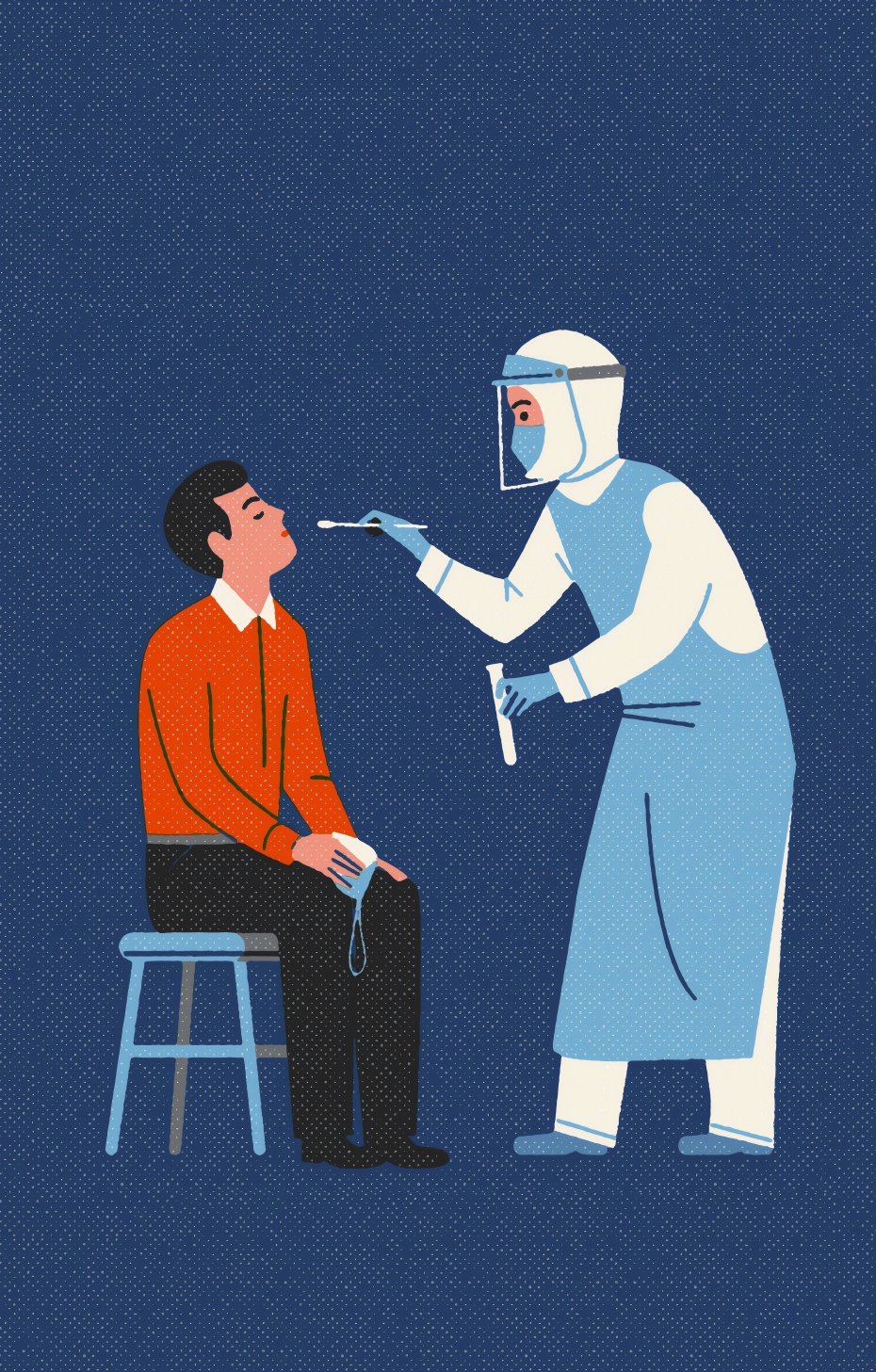
The economic downturn caused by the current Covid-19 outbreak has substantial implications for gender equality, both during the downturn and the subsequent recovery. Compared to ‘regular’ recessions, which affect men’s employment more severely than women’s employment, the employment drop related to social distancing measures has a large impact on sectors with high
female employment shares. In addition, closures of schools and daycare centers have massively increased child care needs, which has a particularly large impact on working mothers. The effects of the crisis on working mothers are likely to be persistent, due to high returns to experience in the labour market. Beyond the immediate crisis, there are opposing forces which may ultimately promote gender equality in the labour market.

The Impact of COVID-19 on Gender Equality
The economic downturn caused by the current COVID-19 outbreak has substantial implications for gender equality, both during the downturn and the subsequent recovery. Compared to “regular” recessions, which affect men’s employment more severely than women’s employment, the employment drop related to social distancing measures has a large impact on sectors with high female employment shares. In addition, closures of schools and daycare centers have massively increased child care needs, which has a particularly large impact on working mothers. The effects of the crisis on working mothers are likely to be persistent, due to high returns to experience in the labor market. Beyond the immediate crisis, there are opposing forces which may ultimately promote gender equality in the labor market. First, businesses are rapidly adopting flexible work arrangements, which are likely to persist. Second, there are also many fathers who now have to take primary responsibility for child care, which may erode social norms that currently lead to a lopsided distribution of the division of labor in house work and child care.

The Remote Work Report by Zapier
Will the office be obsolete by 2030? Knowledge workers think so.
About three-quarters of knowledge workers would be willing to quit a job that didn’t allow remote working for one that did.
Companies looking to attract and retain talent should think about their remote work policies. 95 percent of U.S. knowledge workers want to work remotely, and 74 percent would be willing to quit a job to do so.
Women value remote work more than men, but are less likely to have the opportunity.
62 percent of female knowledge workers say the option to work remotely is one of the perks they would most want an employer to offer, as opposed to just 53 percent of male knowledge workers. And yet there are significant gender disparities: 40 percent of female knowledge workers say they don’t work remotely because their company doesn’t allow it, compared to 25 percent of men of the same group saying the same thing.